what is warm minimalism?
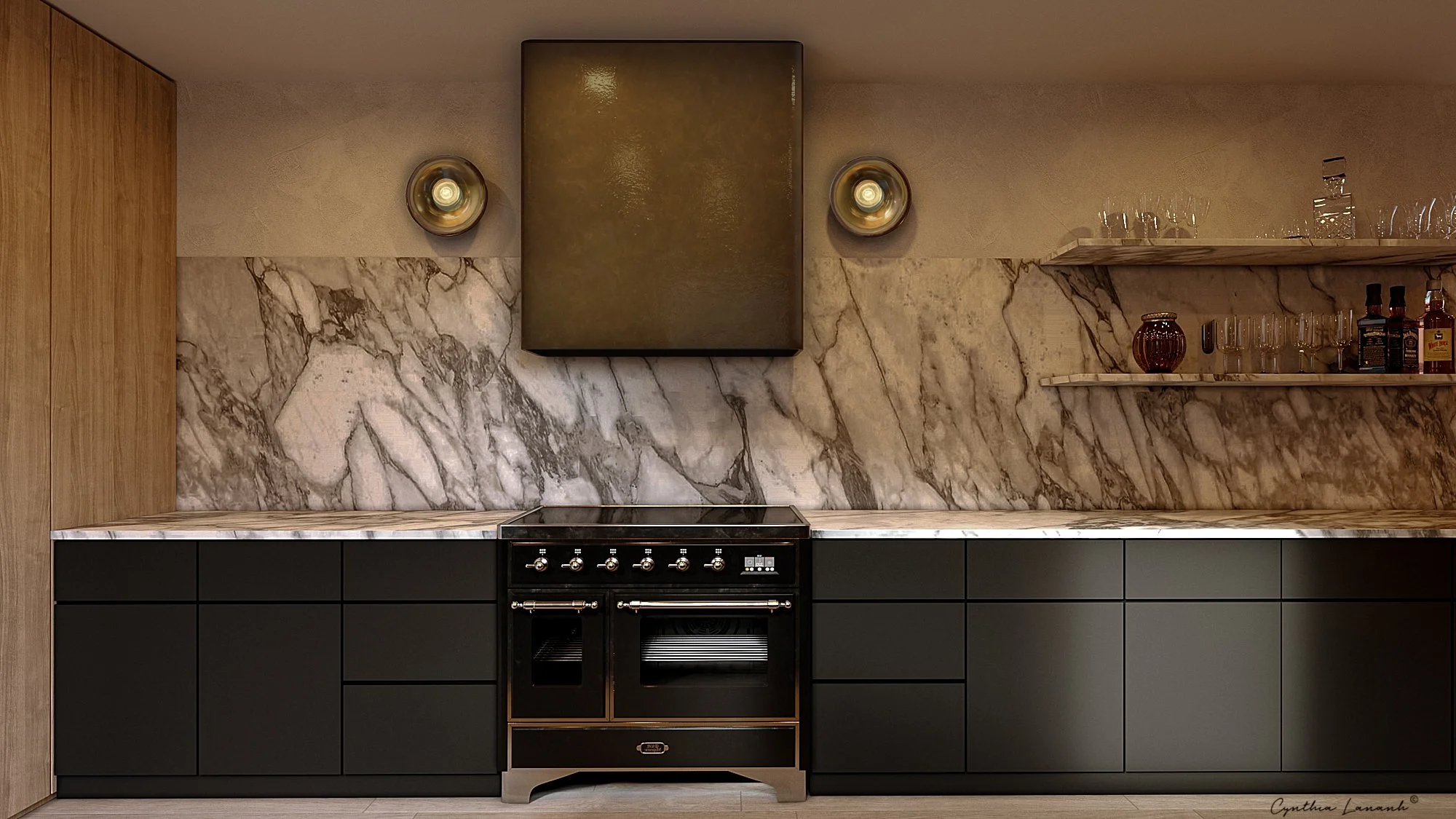
The Kitchen | Pacific Heights Residence
If you’ve been drawn to interiors that feel serene, refined & timeless, edited & curated, yet lived-in, where clean lines meet soft curves, & all pulled together with a warm, organic, & neutral palette — you’ve been been drawn to warm minimalism.
WARM MINIMALISM V.S. COLD MINIMALISM: UNDERSTANDING THE DIFFERENCE
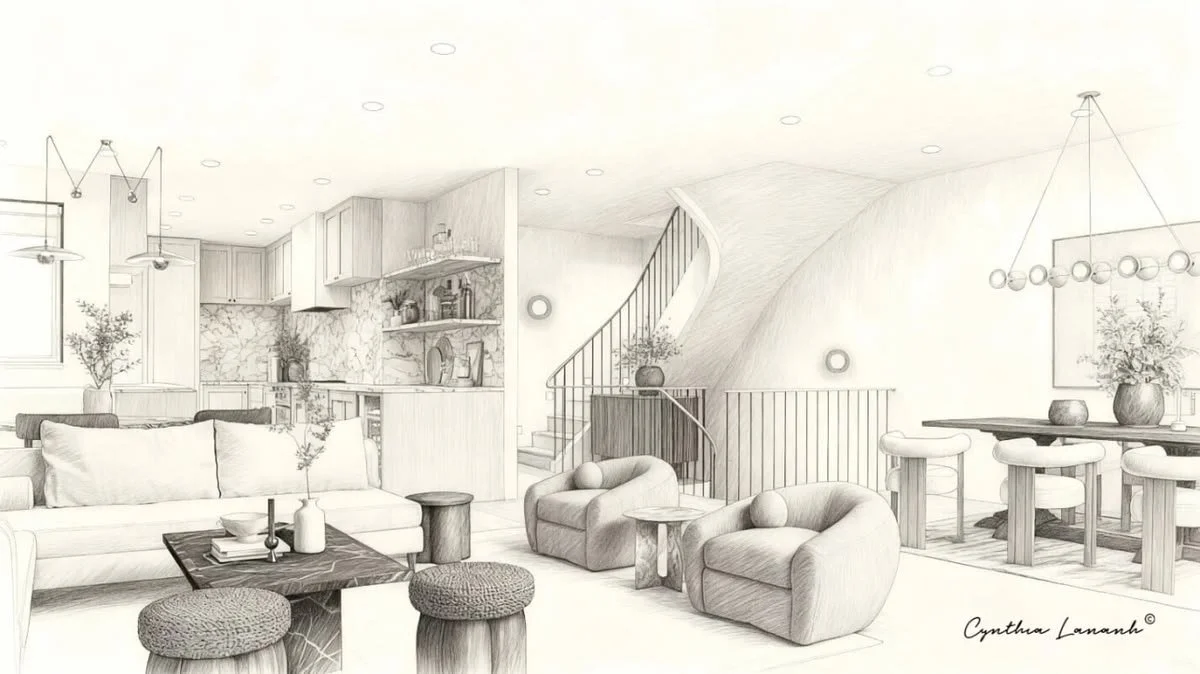
Living & Dining | Pacific Heights Residence
When thinking of minimalistic design, it can came across to most people as stark white rooms — empty, untouched, a little cold. That's cold minimalism: a reductive approach where absence is the point. Warm minimalism interior design, however, starts from a different premise. The goal isn’t to remove, but rather keep what’s meaningful, and to make sure everything that remains is beautiful, purposeful, and layered with texture and depth. Everything feels calm, warm, curated, & intentional.
Where cold minimalism reaches for uniformity, warm minimalism reaches for nuance- contextual details that become richer with each layer. Where cold minimalism keeps its distance, warm minimalism invites you in. The distinction comes down to a few core elements: the neutral palette, layered and textured materials, & soft ambient lighting that fills each room with warmth. With the right touches to create a warm minimalistic interiors, each room’s furnishings and finishes are intentional, and can feel extraordinarily rich.
Done well, it feels extraordinarily rich — and effortlessly timeless.
THE COLOR PALETTE OF WARM MINIMALISM
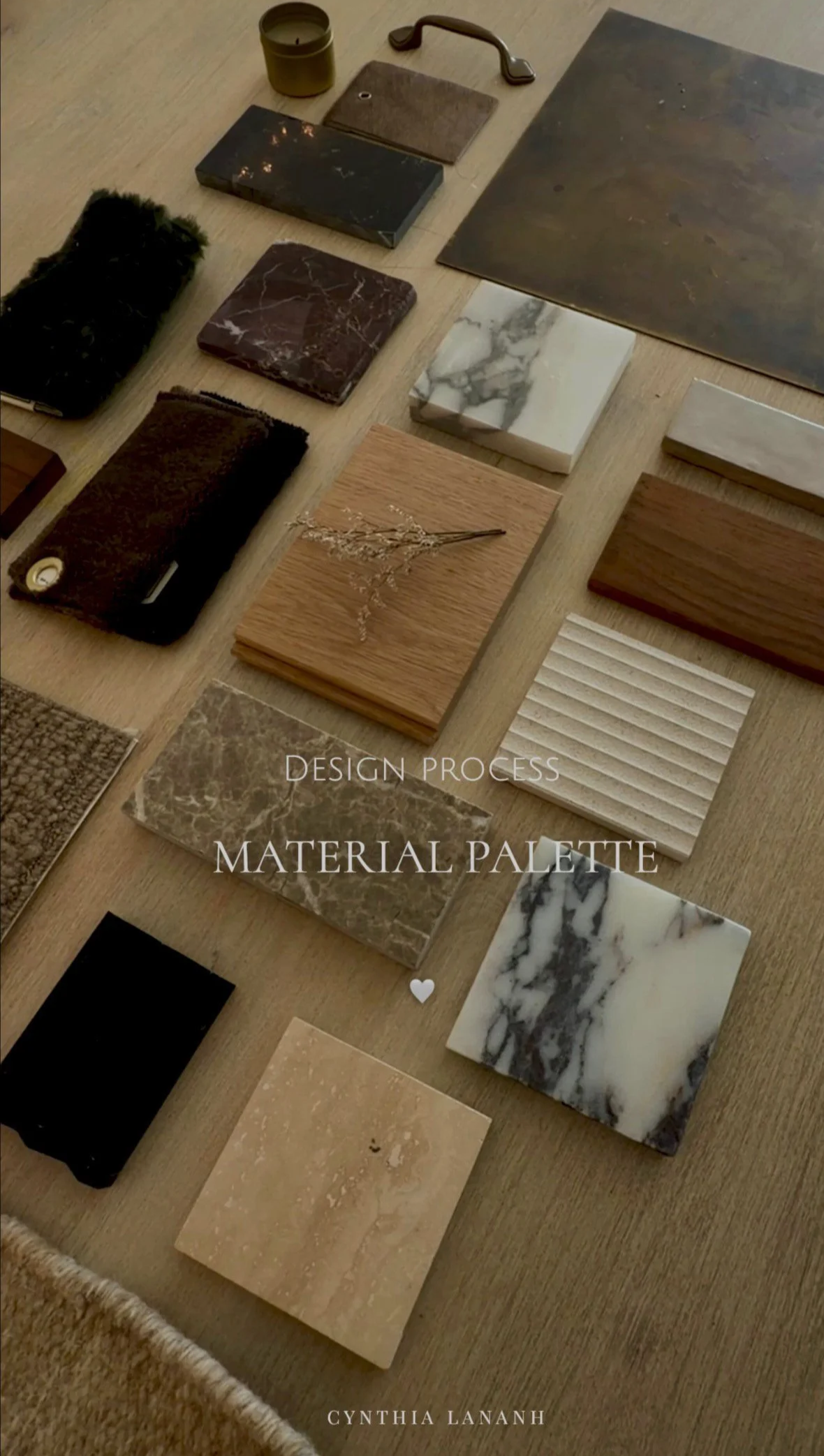
Material Palette Curation | Design Process
Warm minimalism interior design is built on a foundation of muted, natural tones — colors found in un-dyed linen, natural stone, aged wood, and sun-warmed plaster. I especially relate the palette to natural tones I find in nature on my travels. Creamy off-whites, warm taupes, soft terracottas, and earthy ochres. These provide a beautiful neutral foundation to build onto, year after year.
They shift with the light throughout the day, giving a room quiet, organic life. The tonal cohesion is what creates that sense of effortless calm. Color in a warm minimalist space whispers rather than announces, and is incorporated elegantly through personal touches in the decor objects that are infused into each interior as each season arrives.
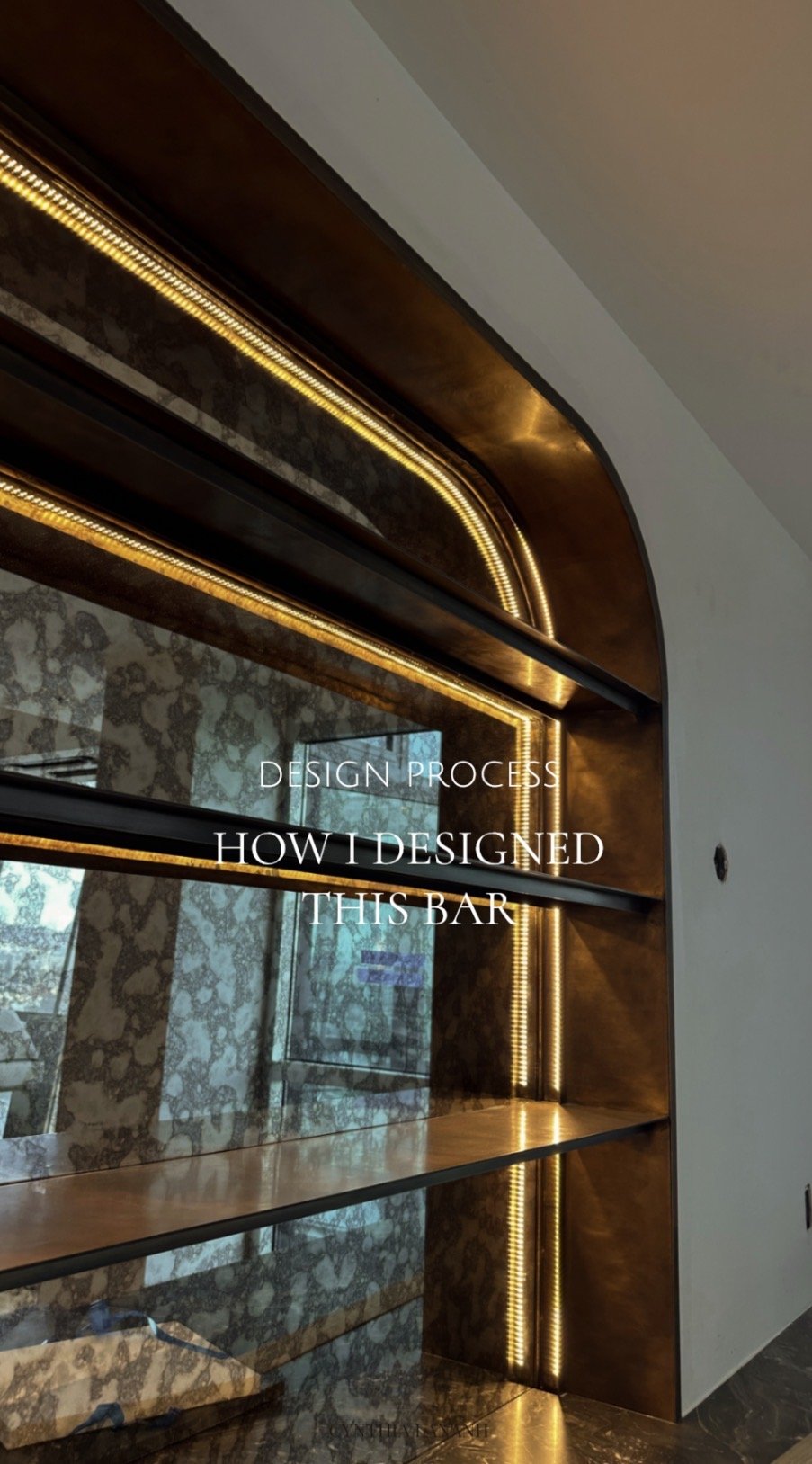
The Bar | The Lakeshore Penthouse
NATURAL MATERIALS PAIRED WITH CLEAN LINES
If there is one non-negotiable in warm minimalism interior design, it is natural materials. Wood, stone, linen, wool, leather, clay, patina’d metals — these are the building blocks of the aesthetic, and they matter for reasons beyond appearance. Natural materials age gracefully. They carry history in their grain and texture. They bring an earthiness and warmth that no synthetic surface can replicate. And when you choose them with intention, they anchor a room in a way that feels genuinely grounded. For my studio, natural materials is central to how every project design is approached. We source stone with character, work with furniture makers who use solid hardwoods rather than veneers, and specify textiles that have weight and texture. The key is restraint paired with quality. Choose fewer things, and choose them with more care.
LIGHTING: THE MATERIAL YOU CAN ONLY FEEL AND SEE
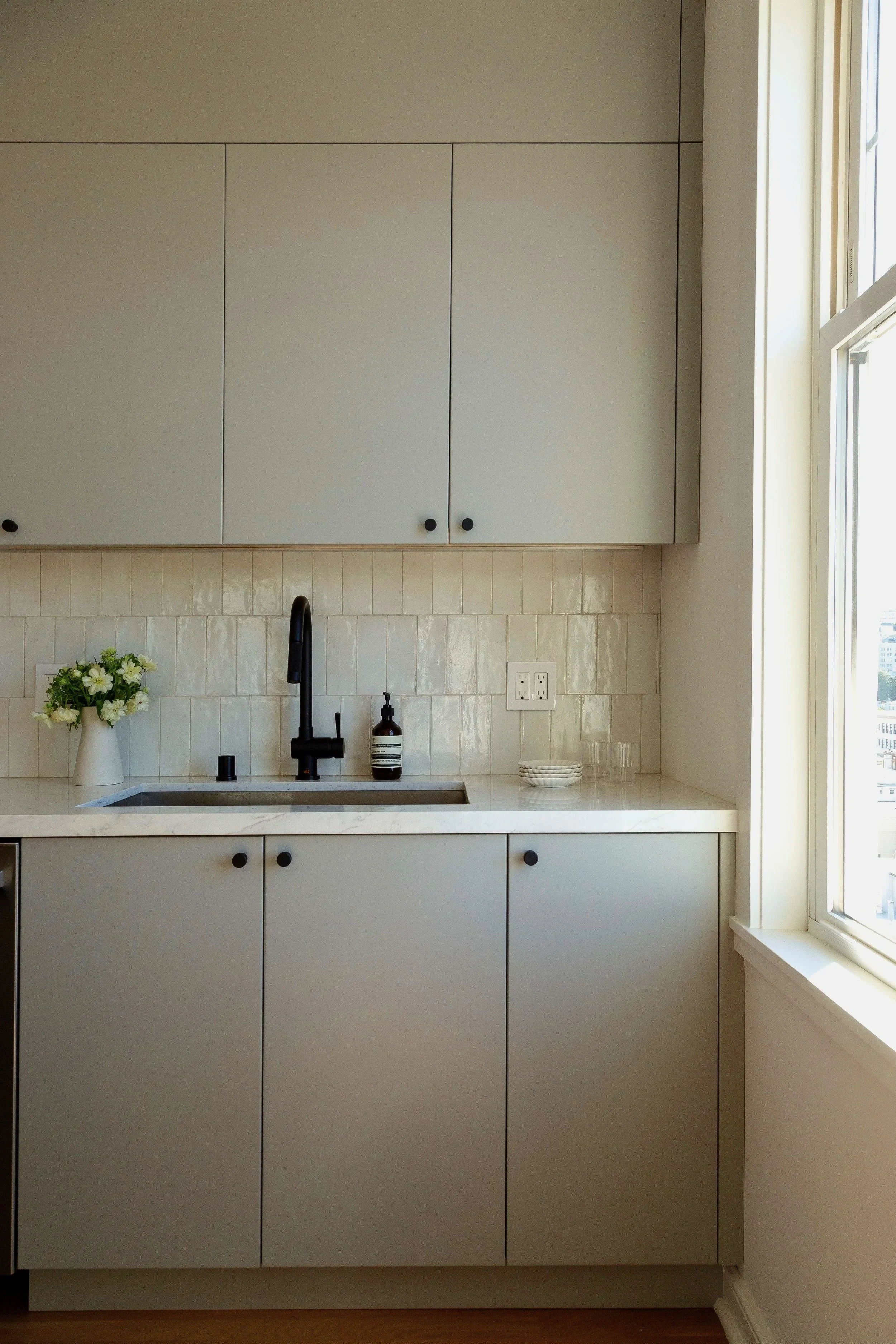
The Kitchen | Marina Penthouse
Natural light is perhaps the most underestimated element of warm minimalism interior design. The palette, the materials, the layering — all of it depends on how light moves through the space. Warm minimalist rooms are designed to work with light. Glazed tiles that glisten with the morning sunlight for serenity and quiet before a big day. Soft drapery that filters natural light rather than block, allowing daylight to enter softly and cast the warm sunlight throughout the room.
The goal is always warmth and intimacy over brightness.
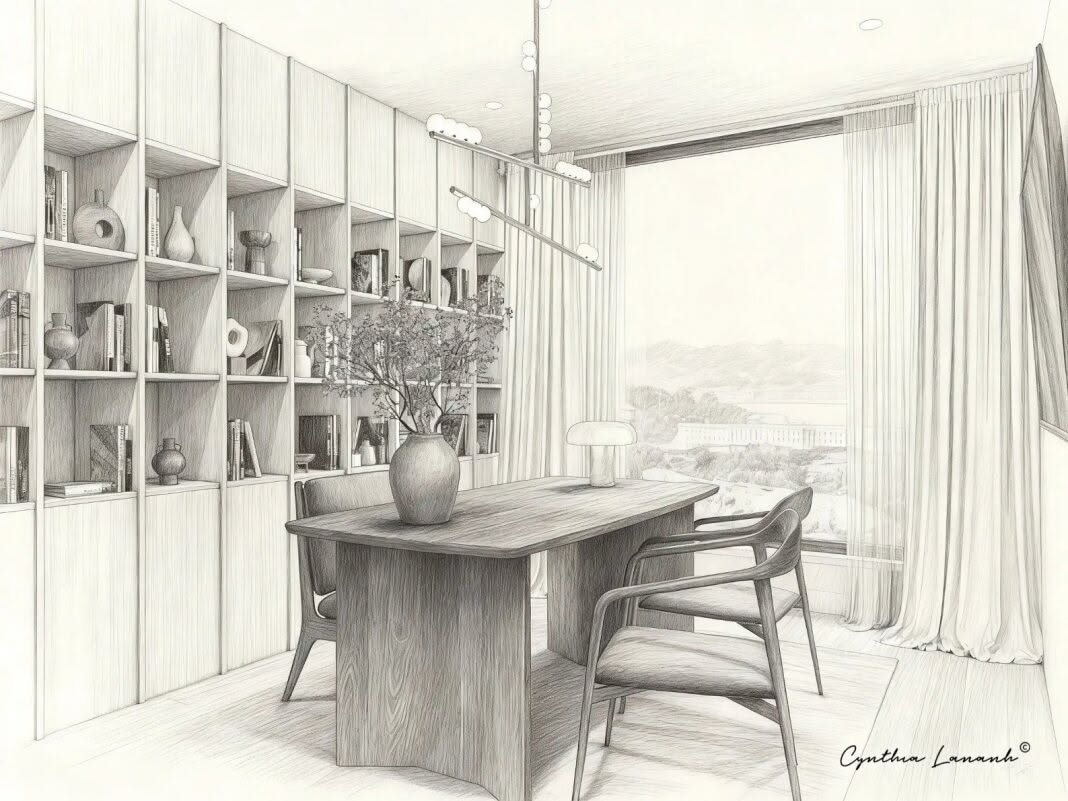
The Office | Pacific Heights Residence
BRINGING WARM MINIMALISM TO A BAY AREA RESIDENCE
San Francisco & the bay area feels like a natural home for warm minimalism. The Bay Area’s indoor-outdoor living, its architectural variety, its culture of craft and sustainability — all of it aligns beautifully with the aesthetic. Every great city tells its story through architecture — the patina of older buildings layered quietly alongside modern skylines, natural materials meeting engineered ones.
Over the years, I've brought this design language into the homes of clients I genuinely care about. Studying in Milan, & working in San Francisco & New York City — what I've carried from each place is the same belief: the most beautiful interiors are the ones that grow with you.
Travel keeps my perspective fresh on how people live across the world. Every great city reads the same, design-wise. Clean lines. Warm, textural neutrals. Materials chosen with intention. The lighting in their rooms, the materials chosen for each space that everyone in the world can relate to, the way a space makes you feel — no matter the country or culture. To me, design is a universal language. It’s the warmth of human connection that I genuinely find inspiration in, and makes what I do feel meaningful.
For me and my philosophy, it’s essential to design a layered & curated interior that will continue to feel right ten years from now. That is the promise of warm minimalism done well: It doesn’t age, it evolves with you overtime. It feels classic, long lasting, and something organic you can build on as life grows.